Beginner guide
Sourdough equipment on a budget: a beginner's buying plan for UK bakers
A tiered plan for kitting out a UK kitchen for sourdough – what to use from your cupboards, what to buy first, and where an upgrade really pays off – with options on Amazon UK.
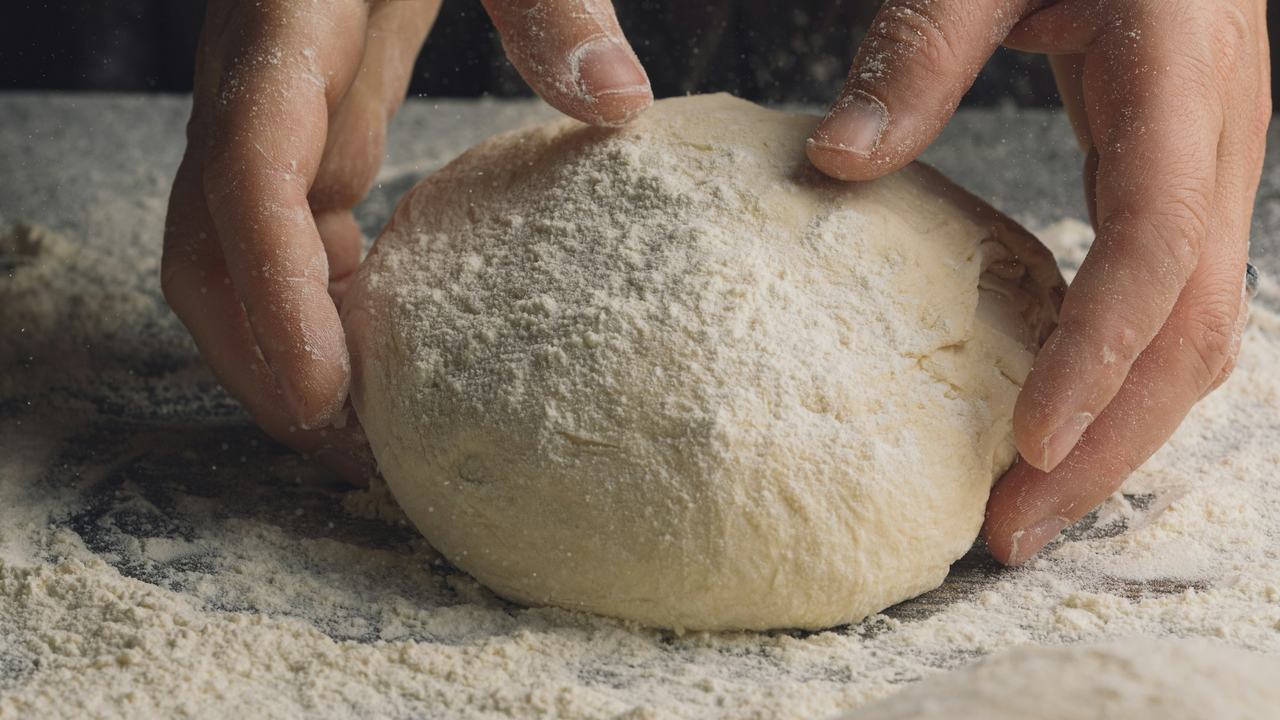
Sourdough has become associated with expensive kit: enamelled pots, proving boxes, glass starter jars with branded labels. But the craft itself is cheap. Flour costs pennies per loaf, the starter is free, and most of what you need is already in an ordinary UK kitchen.
This guide gives you a staged buying plan: start with almost nothing, add the few items that make a real difference, and only then consider upgrades. That way every pound goes on something that improves your bread – not something that ends up in the back of a cupboard.
The plan at a glance
- Stage 0 – use what you have: bowl, tea towel, baking tray, roasting tin, jam jar, sharp knife.
- Stage 1 – the essentials: a digital scale, rice flour and a dough scraper.
- Stage 2 – the big upgrade: a cast iron pot.
- Stage 3 – nice to have: banneton, lame, better jar, thermometer, cooling rack.
- Later, maybe: proofer, specialist flours, bread books.
At a glance
Our shortlist from published specifications – jump to each product for the reasoning. No prices shown: they change daily.
| Product | Best for | Key details | Link |
|---|---|---|---|
| Salter Disc Digital Kitchen Scale, 5kg Top pick | First thing to buy | 5kg capacity · Add and weigh tare | View on Amazon Ad |
| Doves Farm Rice Flour, 1kg | Rice flour | 1kg · Lasts months for dusting | View on Amazon Ad |
| Amazon Basics Stainless Steel Bench Scraper, 15.5cm | Bench scraper | Stainless steel blade · 15.5cm | View on Amazon Ad |
| Amazon Basics Enamelled Cast Iron Dutch Oven, 4.1L | Best value upgrade | Enamelled cast iron · 4.1 litres | View on Amazon Ad |
| Proofing Basket 23cm, Sourdough Banneton with Liner & Scraper | 23cm basket | 23cm round · Liner | View on Amazon Ad |
| Bread Lame with Blade Cover and 5 Feather Blades | Lame | Blade cover · 5 replacement blades | View on Amazon Ad |
| AYADA Cotton Oven Gloves, heat-resistant with reinforced grip | Oven gloves | Heat-resistant cotton · Leather-reinforced grip | View on Amazon Ad |
| Dexam Rectangular Cooling Rack, 40 × 25cm | Cooling rack | 40 × 25cm · Wire rack | View on Amazon Ad |
How we built this plan
We haven't hands-on tested the products listed. The plan prioritises equipment according to how much it changes the finished loaf, based on widely taught bread-baking principles. Products were shortlisted from Amazon UK on their published specifications (capacity, material, dimensions) and were listed when we checked. We don't show prices because they change constantly.
Stage 0: use what you already have
| Sourdough tool | Free substitute |
|---|---|
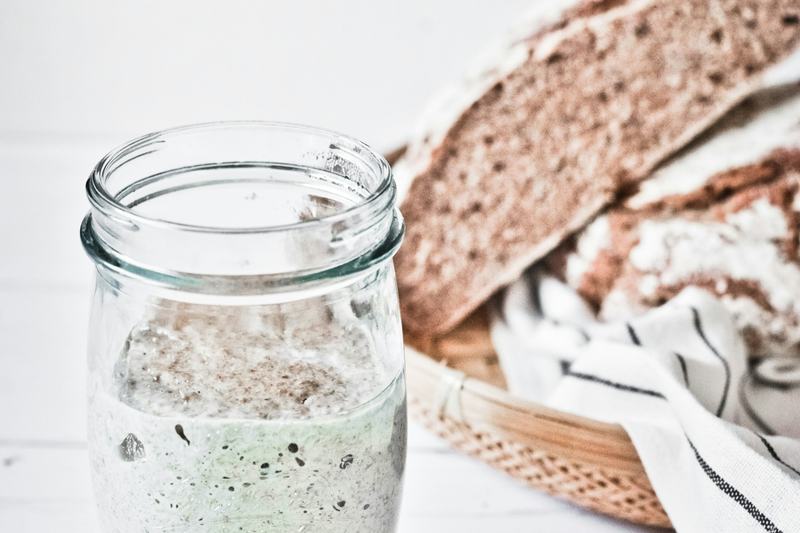
| Starter jar | A clean jam or pickle jar with the lid resting loosely on top |
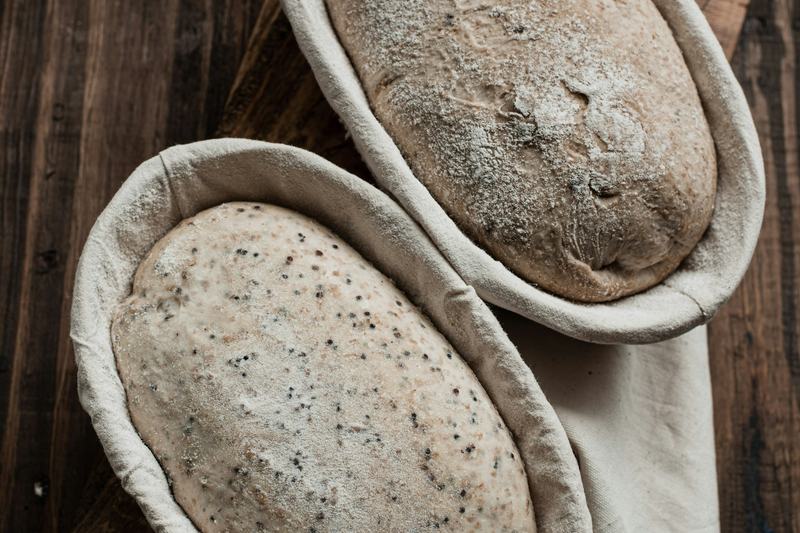
| Banneton | A mixing bowl or colander lined with a well-floured tea towel |
| Dutch oven | Baking tray + roasting tin of boiling water on the shelf below for steam |
| Lame | A very sharp knife or a clean razor blade |
| Proving box | Oven with the light on (oven off), or a microwave with a mug of hot water |
| Bench scraper | A large flat spatula or the back of a chopping board |
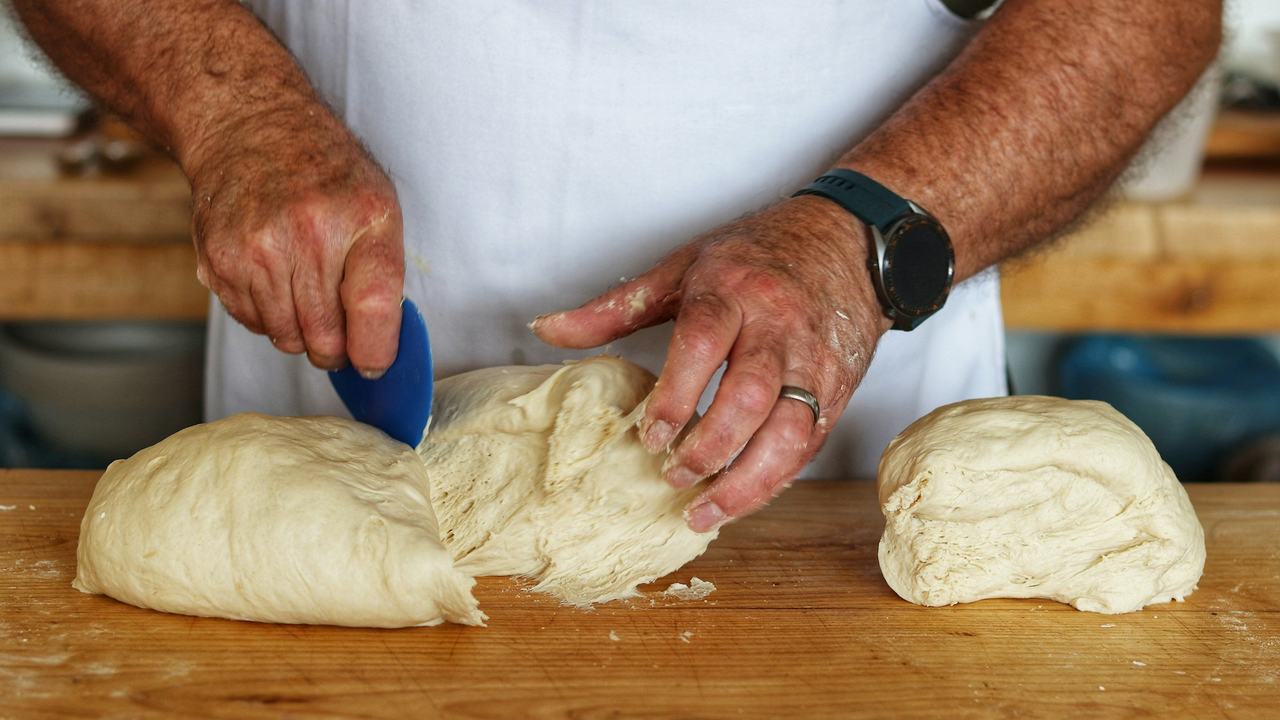
You can bake a perfectly good first loaf with these. What you can't easily improvise is accurate weighing – which is why the scale comes first.
Stage 1: the essentials
A digital scale
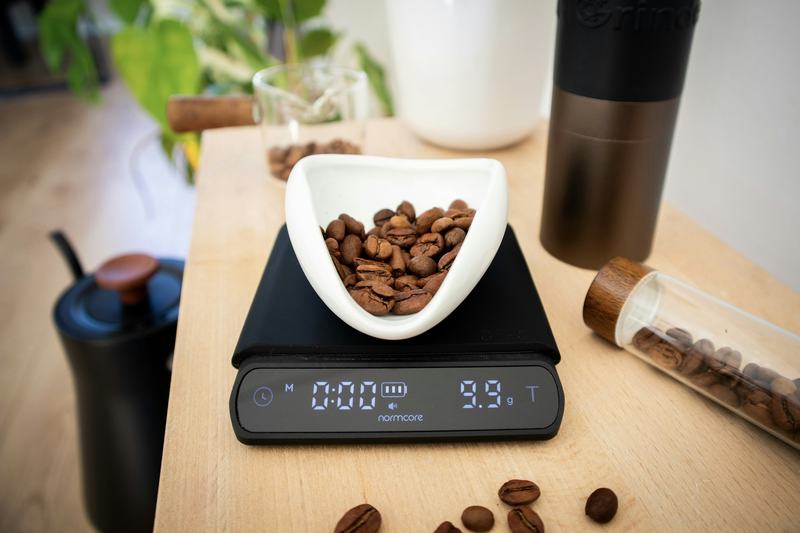
Sourdough recipes are written in grams and baker's percentages. A 5kg scale with 1g resolution and a tare button is the single most important purchase. See our scales guide for details.
First thing to buy
Salter Disc Digital Kitchen Scale, 5kg
- 5kg capacity
- Add and weigh tare
- Aquatronic liquid measuring
A compact 5kg scale from a long-established UK brand – the capacity we recommend for heavy bowls.
Rice flour
Dusting your tea towel or banneton with rice flour stops sticking – the most common beginner frustration.
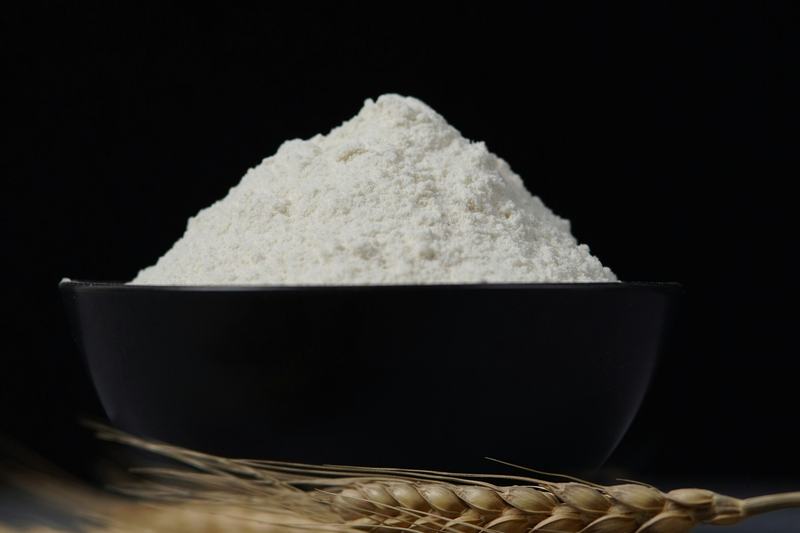
Doves Farm Rice Flour, 1kg
- 1kg
- Lasts months for dusting
One bag lasts months of weekly baking.
A dough scraper
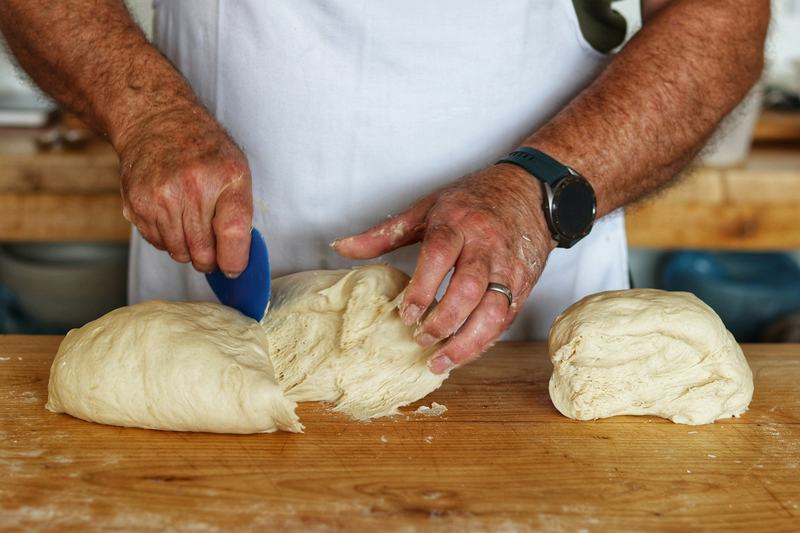
A cheap steel bench scraper makes shaping far easier and keeps your worktop clean.
Amazon Basics Stainless Steel Bench Scraper, 15.5cm
- Stainless steel blade
- 15.5cm
- Grip handle
Basic, sturdy and inexpensive – exactly what a bench scraper should be.
Stage 2: the big upgrade – a cast iron pot
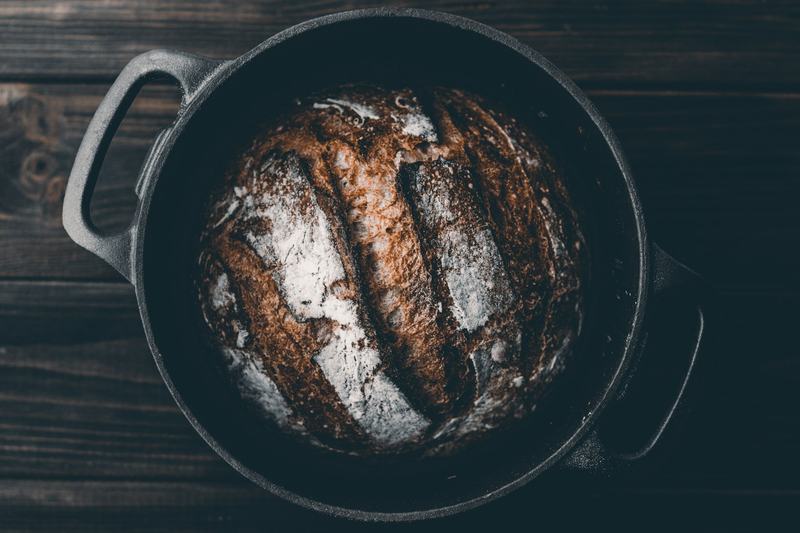
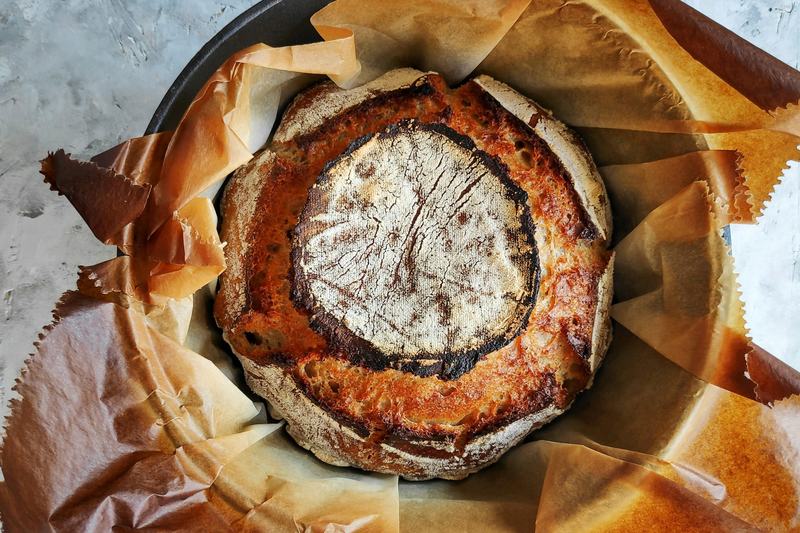
Nothing changes a home sourdough loaf as much as baking it inside a preheated, lidded cast iron pot. It traps steam for a better rise and a crackly crust. Our Dutch oven guide covers sizes and the details to check.
Best value upgrade
Amazon Basics Enamelled Cast Iron Dutch Oven, 4.1L
- Enamelled cast iron
- 4.1 litres
- Oven safe to 260°C (per listing)
The right size for a standard loaf, with an oven rating comfortably above typical sourdough baking temperatures. Prices vary noticeably between colour variants.
If you already own an enamelled casserole of 24–26cm, check its lid knob is oven-safe to at least 230–250°C (or swap it for a metal knob) – you may not need to buy anything.
Stage 3: nice to have
A banneton
Supports the dough so it rises up rather than out. A 23cm round suits most recipes. See our banneton guide.
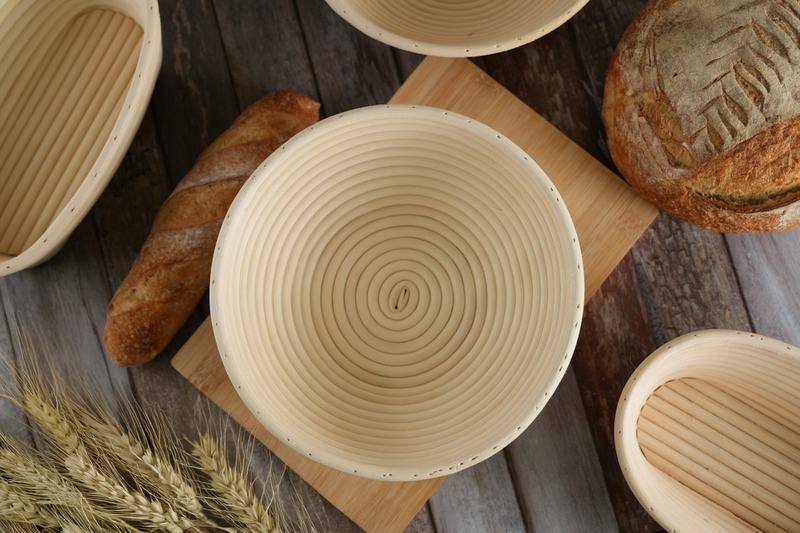
Proofing Basket 23cm, Sourdough Banneton with Liner & Scraper
- 23cm round
- Liner
- Scraper included
The size we recommend for 500g-flour recipes, with a liner for easy release.
A lame
Safer and more controllable than a knife for scoring. See our lame guide.
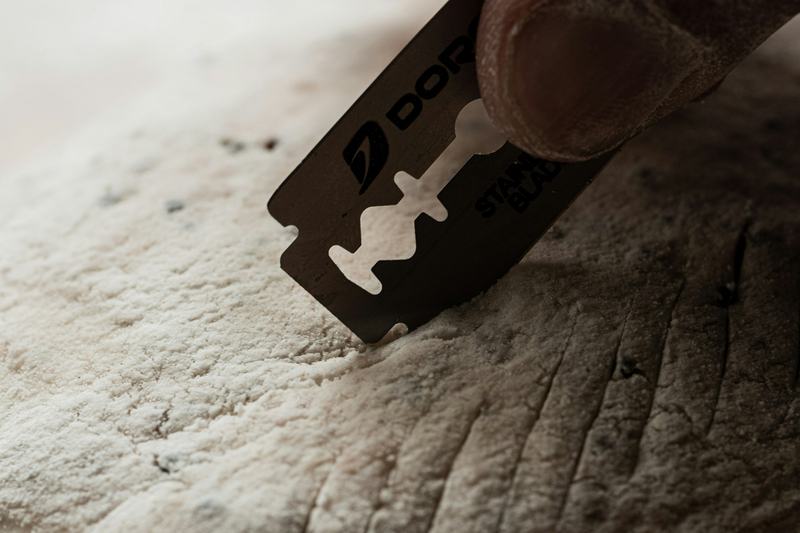
Bread Lame with Blade Cover and 5 Feather Blades
- Blade cover
- 5 replacement blades
A simple lame with a cover and enough blades for many months of baking.
Oven gloves that cover your forearms
Lifting a 5kg pot out of a 250°C oven is the riskiest moment in sourdough. Long gauntlet-style gloves are worth having before you buy a cast iron pot.
AYADA Cotton Oven Gloves, heat-resistant with reinforced grip
- Heat-resistant cotton
- Leather-reinforced grip
- Pair
A pair of separate gloves (rather than a joined double oven glove) makes it easier to grip both handles of a heavy pot.
A cooling rack
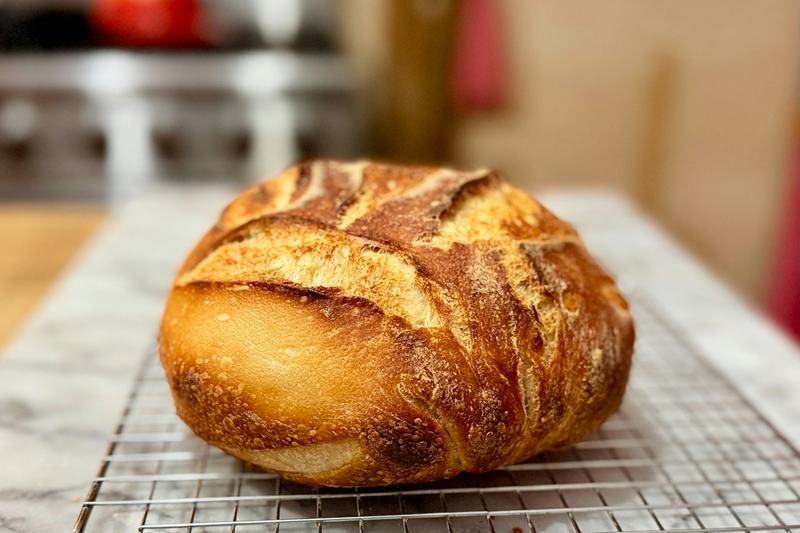
Letting the loaf cool on a rack stops a soggy base. A grill-pan rack works too.
Dexam Rectangular Cooling Rack, 40 × 25cm
- 40 × 25cm
- Wire rack
Large enough for a big loaf or two smaller ones.
Later, maybe
- A proofer if your kitchen is very cold and you bake several times a week – but try the free tricks in our cold-kitchen guide first.
- Specialist flours – rye, spelt, heritage wheats. See our flour guide.
- A good book – our sourdough book guide suggests where to start.
Where not to save money
- The scale. A wildly inaccurate scale makes every other problem harder to diagnose.
- Oven gloves. Burns from cast iron are common and painful.
- Flour. Not the most expensive – but consistent. Changing flour every bake makes it hard to learn.
Where to save money
- All-in-one kits. Many include duplicate scrapers, low-quality whisks and baskets in sizes you won't use.
- Branded starter jars. Any clean jar works.
- Proofers, early on. Learn your kitchen's rhythm first.
The bottom line
Start with a scale, rice flour and a scraper, bake a few loaves on a tray with steam, then put your money into a cast iron pot. Add a banneton, lame and good gloves when you're hooked. That sequence gives you the biggest improvement in your bread for the least money – and nothing ends up unused.