Books
Best sourdough books for UK home bakers
The sourdough books worth owning – from Tartine and Flour Water Salt Yeast to The Perfect Loaf and The Sourdough School – what each teaches, who it suits, and how US recipes translate to UK flour.
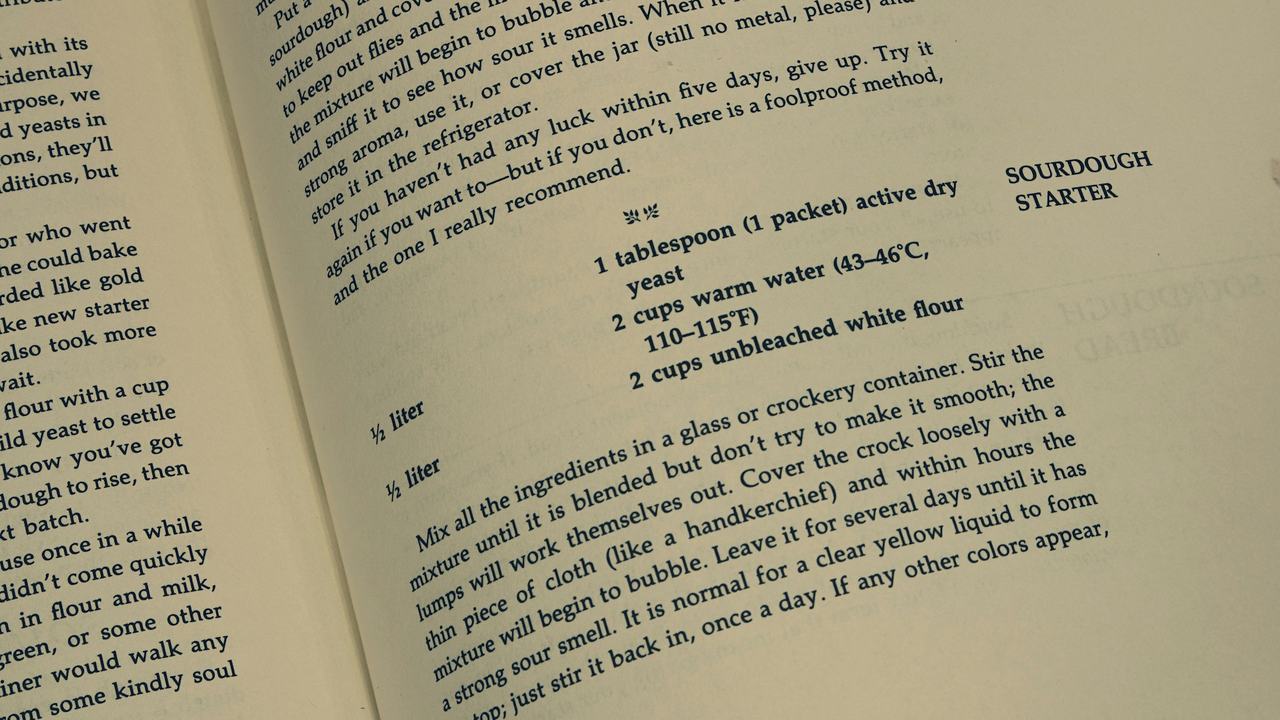
Online videos are brilliant for seeing what a dough should look like, but a good book gives you something videos rarely do: a coherent method, explained from first principles, that you can return to when something goes wrong. The best sourdough books also teach you to read fermentation rather than follow a timetable – vital in a UK kitchen where the temperature swings 6–8°C between August and January.
This guide covers the books most often recommended to home bakers, what each one is actually like to learn from, and how to adapt the American titles to British flour.
At a glance
Our shortlist from published specifications – jump to each product for the reasoning. No prices shown: they change daily.
| Product | Best for | Key details | Link |
|---|---|---|---|
| Flour Water Salt Yeast – Ken Forkish Top pick | Best for complete beginners | Artisan bread and pizza · Step-by-step method | View on Amazon Ad |
| The Perfect Loaf – Maurizio Leo | Best for understanding the "why" | Sourdough breads, sweets and more · Craft and science of fermentation | View on Amazon Ad |
| Tartine Bread – Chad Robertson | The classic | San Francisco bakery method · The country loaf that defined modern home sourdough | View on Amazon Ad |
| The Sourdough School – Vanessa Kimbell | Best UK-written book | UK sourdough educator · Focus on gut-friendly, wholegrain bread | View on Amazon Ad |
| 10-Minute Sourdough – Vanessa Kimbell | For busy bakers | Minimal hands-on time · Breadmaking for real life | View on Amazon Ad |
| Crust – Richard Bertinet | Broad repertoire | Sourdough, spelt and rye · Ciabatta, bagels and brioche | View on Amazon Ad |
| Evolutions in Bread – Ken Forkish | Next step | Artisan pan breads and Dutch-oven loaves · Follow-up to Flour Water Salt Yeast | View on Amazon Ad |
| How to Bake – Paul Hollywood | All-round baking | Breads, pastries and bakes · UK author | View on Amazon Ad |
How we chose these books
We selected books based on their reputation among bakers and baking educators, their publication details and their stated scope, and we describe their approach based on publicly available information about each title. We haven't presented any reader ratings or review counts. All were listed on Amazon UK when we checked.
A note on US books and UK flour
Several classics come from American bakeries. Two practical differences matter:
- Flour strength and absorbency. American "bread flour" and British "strong white bread flour" are broadly comparable (often 12–13% protein), but British flours milled from home-grown wheat can absorb less water. If a US recipe at 75–80% hydration feels like soup, hold back 5–10% of the water and add it gradually.
- Kitchen temperature. US recipes often assume 24–27°C rooms. In a cooler UK kitchen, bulk fermentation may take considerably longer. Watch the dough – volume increase, bubbles, jiggle – not the clock. Our cold-kitchen guide helps.
The books
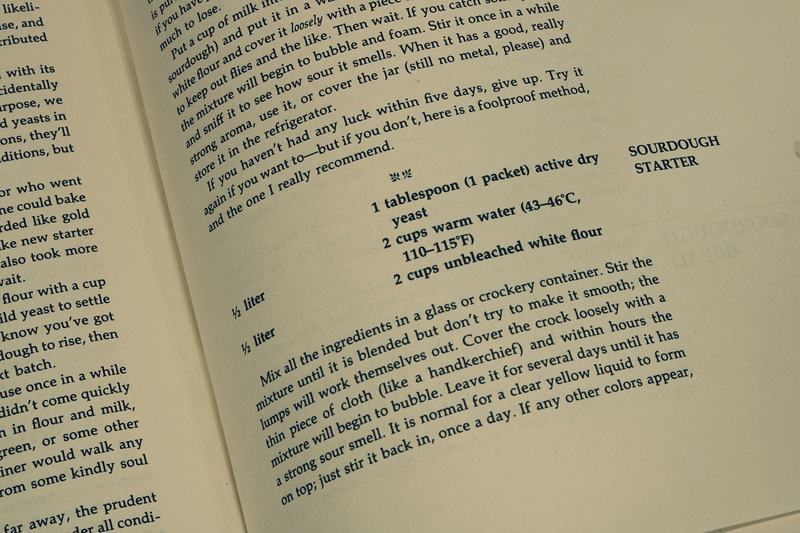
Best for complete beginners
Flour Water Salt Yeast – Ken Forkish
- Artisan bread and pizza
- Step-by-step method
- Builds from yeasted to levain breads
Forkish's book is famous for walking you from simple yeasted loaves to naturally leavened breads, using a consistent technique (mix by hand, fold, shape, bake in a Dutch oven). That progression is why it's so often recommended as a first book: you build confidence before tackling a starter. Recipes are written in grams and baker's percentages.
Best for understanding the "why"
The Perfect Loaf – Maurizio Leo
- Sourdough breads, sweets and more
- Craft and science of fermentation
Maurizio Leo built a large following through his website before publishing this book. It's known for detailed explanations of fermentation and for weekly-schedule planning, which makes it a good fit for analytical bakers who want to troubleshoot rather than just follow steps.
Tartine Bread – Chad Robertson
- San Francisco bakery method
- The country loaf that defined modern home sourdough
The book that launched countless home sourdough habits. Its country loaf method – a young levain, long bulk fermentation with folds, and a Dutch oven bake – underpins many recipes you'll find online. The writing is evocative; some beginners find the long-form method harder to follow than a numbered recipe.
Best UK-written book
The Sourdough School – Vanessa Kimbell
- UK sourdough educator
- Focus on gut-friendly, wholegrain bread
Written by the founder of The Sourdough School in Northamptonshire, so ingredients and context are British. Its emphasis is on fermentation for digestibility and on wholegrain flours – a good choice if you're interested in health as well as craft.
10-Minute Sourdough – Vanessa Kimbell
- Minimal hands-on time
- Breadmaking for real life
A follow-up aimed squarely at people who don't have a weekend to spend on bread. The approach focuses on short bursts of hands-on time around a normal working day.
Crust – Richard Bertinet
- Sourdough, spelt and rye
- Ciabatta, bagels and brioche
Richard Bertinet runs a well-known cookery school in Bath. Crust covers sourdough alongside a wide spread of other breads, so it suits bakers who want variety rather than a single-minded sourdough manual.
Evolutions in Bread – Ken Forkish
- Artisan pan breads and Dutch-oven loaves
- Follow-up to Flour Water Salt Yeast
Forkish's later book focuses on pan loaves (sandwich tins) as well as Dutch-oven breads, and simplifies parts of his earlier method. A good second book if you enjoyed the first.
How to Bake – Paul Hollywood
- Breads, pastries and bakes
- UK author
Not a sourdough specialist book, but a widely owned British baking reference with a strong bread section. Useful for a household that bakes beyond sourdough.
Which book should you buy first?
| If you are… | Start with |
|---|---|
| A complete beginner who wants a clear method | Flour Water Salt Yeast |
| Someone who loves to understand the science | The Perfect Loaf |
| Interested in wholegrain and gut health | The Sourdough School |
| Short on time | 10-Minute Sourdough |
| Keen to bake many styles of bread | Crust |
Turning a book recipe into a UK weekly schedule
Most book recipes assume you'll be home all day. Here's a common way home bakers adapt them to a working week:
- Evening (day 1): feed the starter, using warm water in winter.
- Morning (day 2): mix the dough before work with warm water so it starts around 25°C. Let it rest.
- Evening (day 2): complete folds as the book describes, then let bulk fermentation finish – judging by the dough rather than the clock.
- Late evening (day 2): shape, put into the banneton, and refrigerate overnight.
- Morning (day 3): bake straight from the fridge.
Most of the books above discuss a cold overnight prove in some form, and it's the single most useful adaptation for busy UK bakers. If a book's timings look impossible for your week, look for its section on retarding and build from there.
Borrow before you buy
If you're unsure which approach suits you, many UK public libraries stock popular bread books, and library apps sometimes offer ebook versions. Borrowing first is a sensible way to find the author whose method clicks – then buy the one you want to keep in the kitchen.
Getting the most from a bread book
- Read the method chapter twice before baking. Most failures come from skipping the explanations to get to the recipes.
- Bake one recipe repeatedly. Five bakes of the same loaf teach you more than five different recipes.
- Keep notes: flour, water temperature, room temperature and timings. Patterns emerge quickly.
Books also make good gifts – several of these appear in our gifts for sourdough bakers under £20 list.