Ingredients
UK bread flour guide for sourdough: strong white, wholemeal, rye and spelt
Which British flours work for sourdough, what protein percentages mean, how UK and Canadian wheat differ, and widely available bread flours on Amazon UK.
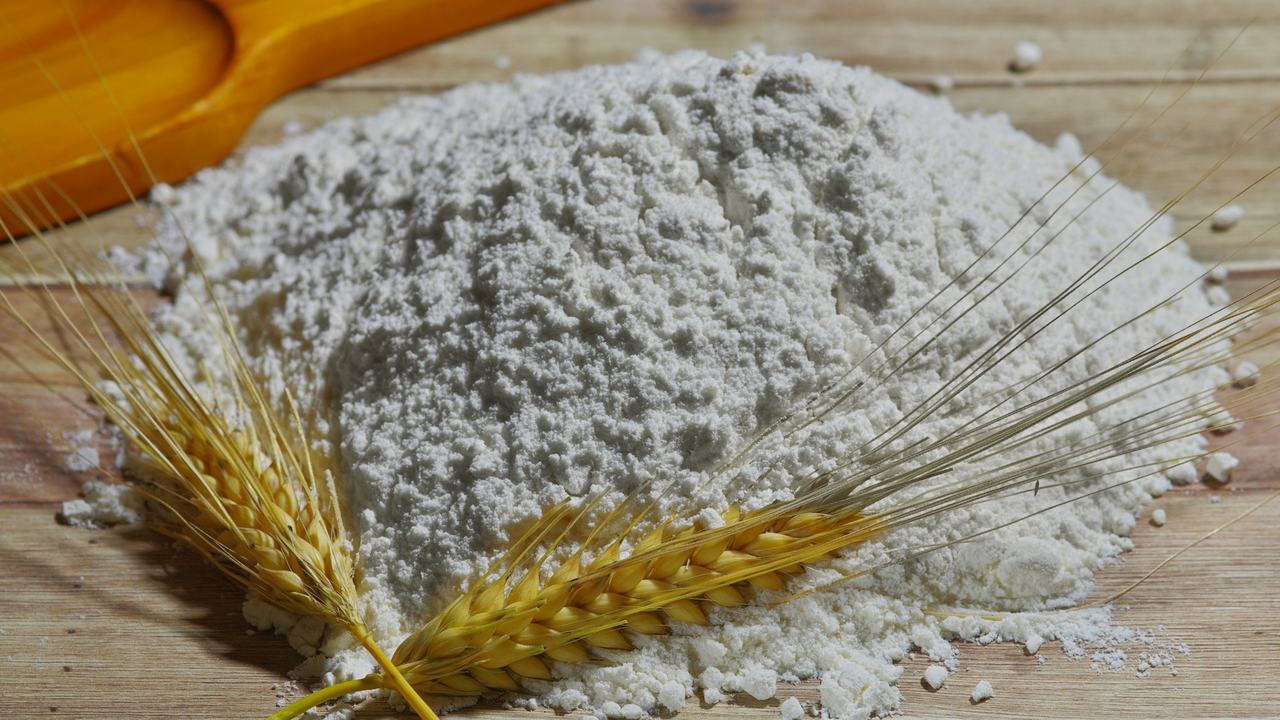
Flour is the cheapest part of sourdough and the one that changes your bread the most. Two loaves made with the same recipe, the same starter and the same oven can look completely different if one uses a strong Canadian-wheat flour and the other a softer stoneground British flour.
This guide explains the labels you'll see on UK flour bags, how to choose for sourdough, and some widely available options on Amazon UK – useful if your supermarket only stocks one or two bread flours.
The short version
- For a classic open-crumb loaf, start with strong white bread flour (around 12–13% protein).
- Feed your starter with some wholemeal or rye – it ferments more vigorously.
- British-grown wheat often absorbs less water than Canadian wheat. If dough feels soupy, reduce the water.
- Buy flour in amounts you'll use within a few months, and store it cool, dry and sealed.
At a glance
Our shortlist from published specifications – jump to each product for the reasoning. No prices shown: they change daily.
| Product | Best for | Key details | Link |
|---|---|---|---|
| Doves Farm Organic Strong White Bread Flour Top pick | Easiest everyday choice | Organic · Strong white bread flour | View on Amazon Ad |
| Matthews Cotswold Churchill Premium White Bread Flour (6 × 1.5kg) | Best for higher hydration | 12.8% protein (per listing) · 6 × 1.5kg | View on Amazon Ad |
| Shipton Mill Strong White Bread Flour (3 × 1kg), Maris Widgeon wheat | English heritage wheat | English-grown Maris Widgeon wheat · 3 × 1kg | View on Amazon Ad |
| Matthews Cotswold Stoneground Wholegrain Dark Rye Flour, 1.5kg | Best for starters | Stoneground · Wholegrain dark rye | View on Amazon Ad |
| Wessex Mill Wholemeal Rye Flour (2 × 1.5kg) | Wholemeal rye | Wholemeal rye · 2 × 1.5kg | View on Amazon Ad |
| Matthews Cotswold Traditional Stoneground Strong Wholegrain Flour (5 × 1.5kg) | Wholegrain | Stoneground · Strong wholegrain | View on Amazon Ad |
| Matthews Cotswold White Spelt Flour (5 × 1.5kg) | White spelt | White spelt · 5 × 1.5kg | View on Amazon Ad |
| Doves Farm Rice Flour, 1kg | Rice flour | 1kg · Gluten-free | View on Amazon Ad |
How we chose these flours
We haven't baked with every flour shown. We picked flours that are widely recommended for bread, that state the type of flour (and protein content where given) on the listing, and that come from established UK mills. All were listed on Amazon UK when we checked. Buying flour online can be expensive per kilo compared with supermarkets, so compare before ordering – multipacks are usually better value.
Reading a UK flour bag
- "Strong" or "bread" flour means a higher-protein wheat flour suitable for bread. Protein (mostly gluten-forming proteins) gives dough its stretch and gas-holding strength.
- Protein % is shown on the nutrition panel per 100g. Around 11.5–13% is typical for strong white flour; plain flour is usually 9–10%.
- Wholemeal contains all of the grain (bran, germ, endosperm). It absorbs more water, ferments faster and gives a denser crumb.
- Stoneground means milled between stones rather than steel rollers – often more flavourful, and sometimes a little coarser.
- Canadian / "very strong" flours use high-protein North American wheat. They tolerate high hydration and long fermentation well.
Choosing flour for each job
| Job | Good choice | Why |
|---|---|---|
| Main dough, open crumb | Strong white, 12–13% protein | Strong gluten holds gas over a long ferment |
| Starter feeding | Wholemeal or rye (all or part) | More nutrients and wild yeasts; faster rise |
| Flavour boost in dough | 10–20% wholemeal, rye or spelt | Depth of flavour without losing structure |
| Dusting the banneton | Rice flour | Doesn't absorb water, so dough releases cleanly |
Strong white bread flours
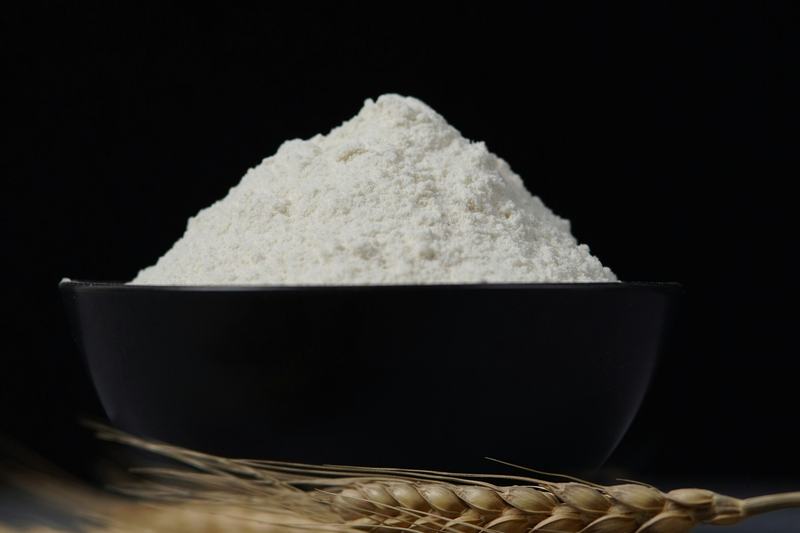
Easiest everyday choice
Doves Farm Organic Strong White Bread Flour
- Organic
- Strong white bread flour
- Established UK miller
Doves Farm is widely stocked in UK supermarkets, which makes it a reliable "known quantity" to learn with – you can always buy more. A sensible baseline flour for a first few months of sourdough.
Best for higher hydration
Matthews Cotswold Churchill Premium White Bread Flour (6 × 1.5kg)
- 12.8% protein (per listing)
- 6 × 1.5kg
- Cotswolds mill
The listing states 12.8% protein, which puts it at the stronger end of UK bread flours – helpful for wetter doughs and longer fermentation. Buying six bags only makes sense if you bake weekly.
Shipton Mill Strong White Bread Flour (3 × 1kg), Maris Widgeon wheat
- English-grown Maris Widgeon wheat
- 3 × 1kg
- Gloucestershire mill
Maris Widgeon is a traditional English wheat variety valued for flavour. Expect it to absorb a little less water than Canadian-wheat flours: start a recipe 5% lower in water and adjust.
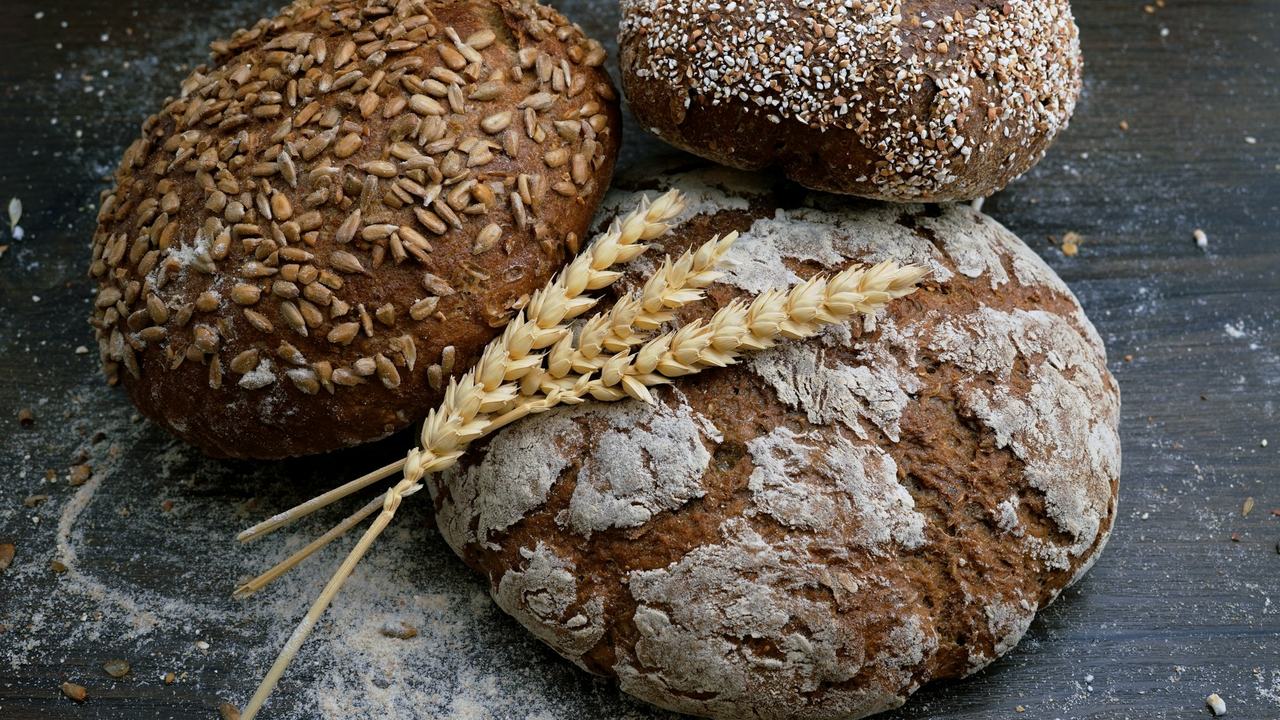
Wholegrain, rye and spelt
Best for starters
Matthews Cotswold Stoneground Wholegrain Dark Rye Flour, 1.5kg
- Stoneground
- Wholegrain dark rye
- 1.5kg
A small bag of dark rye is the single best thing you can buy for a sluggish starter. A spoonful or two in each feed often makes a visible difference within days.
Wessex Mill Wholemeal Rye Flour (2 × 1.5kg)
- Wholemeal rye
- 2 × 1.5kg
- Oxfordshire mill
An alternative rye from another independent English mill – useful if you also want to bake rye-heavy loaves.
Matthews Cotswold Traditional Stoneground Strong Wholegrain Flour (5 × 1.5kg)
- Stoneground
- Strong wholegrain
- 5 × 1.5kg
Strong wholegrain flour for blending into white dough (start with 10–20%) or for 100% wholemeal sourdough tin loaves.
Matthews Cotswold White Spelt Flour (5 × 1.5kg)
- White spelt
- 5 × 1.5kg
Spelt gives a nutty flavour but its gluten is more fragile. Use it as a percentage of a strong white dough, or reduce hydration and handling if baking all-spelt loaves.
For dusting
Doves Farm Rice Flour, 1kg
- 1kg
- Gluten-free
For dusting bannetons and peels. Mix 50:50 with wheat flour if pure rice flour feels too slippery.

Hydration starting points by flour
Hydration is water weight as a percentage of flour weight. These are sensible starting points for a beginner's loaf – increase gradually once you can handle the dough:
| Flour mix | Starting hydration | Notes |
|---|---|---|
| 100% strong white (UK wheat) | 65–70% | Easier to shape; raise slowly |
| 100% strong white (Canadian / very strong) | 70–75% | Handles wetter doughs well |
| 80% white / 20% wholemeal | 72–76% | Bran absorbs extra water |
| 70% white / 30% rye | 75–80% | Stickier; rye has little gluten |
| Majority spelt | 62–68% | Fragile gluten; handle gently |
Remember that your starter also contains flour and water. If your starter is 100% hydration (equal weights flour and water) and makes up 20% of the recipe, it nudges the overall figures slightly, which is why recipes can feel wetter than their stated hydration suggests.
Storing flour
- Keep flour in a sealed container somewhere cool and dry – a large clip-top jar like the Kilner 1 litre clip-top Ad works for smaller quantities.
- Wholegrain flours contain oils that can go stale; use them within a few months or keep them in the freezer.
- Write the opening date on the container.
Adapting recipes to British flour
If a recipe was developed with American bread flour or Canadian wheat and your dough feels slack and sticky:
- Hold back 5–10% of the water at mixing and add it gradually during the first set of folds.
- Add a little more strength with a stronger flour blend.
- Lengthen the time between folds slightly so the gluten can develop.
The bottom line
Start with a reliable strong white bread flour, feed your starter with a little rye, and adjust water to suit your flour. Once your process is consistent, experiment with heritage wheats, spelt and wholegrains – one change at a time.