Checklist
Sourdough starter kit checklist: what you need (and what you don't)
A practical UK checklist for starting sourdough – essential, useful and skip-it equipment, with what to look for in each and options on Amazon UK.
Sourdough has a reputation for needing a cupboard full of gadgets. It doesn't. Bread has been made from flour, water, salt and wild yeast for thousands of years, and most of what's sold as a "complete sourdough starter kit" is either something you already own or something you'll use twice.
This checklist splits equipment into three tiers – essential, genuinely useful and skip for now – and explains what to look for in each item, so you can buy the right thing once.
The checklist at a glance
Essential: digital scale · glass jar for the starter · large bowl · flour (strong white plus a little wholemeal or rye) · something to bake in or on.
Genuinely useful: banneton · bench/dough scraper · lame or razor · cast iron pot · rice flour · thermometer.
Skip for now: proving boxes, starter warmers, dough-mixer gadgets, 13-piece "everything" kits.
At a glance
Our shortlist from published specifications – jump to each product for the reasoning. No prices shown: they change daily.
| Product | Best for | Key details | Link |
|---|---|---|---|
| Salter Arc Digital Kitchen Scale, 3kg capacity | 1g scale | 3kg capacity · "Add and weigh" tare | View on Amazon Ad |
| Kilner Sourdough Starter Set (2 glass jars, measuring lid, spatula) Top pick | Easiest all-in-one | 2 glass jars · Measuring lid | View on Amazon Ad |
| WECK 743 wide-mouth jar, 850ml, with glass lid, seal and clamps | 850ml jar | 850ml · Wide mouth | View on Amazon Ad |
| Vicloon Dough Scraper Set – 3 pieces (stainless bench scraper with measuring scale, plastic scrapers) | Scraper set | Stainless bench scraper with measuring scale · Flexible plastic scrapers | View on Amazon Ad |
| ORBLUE Danish Dough Whisk with wooden handle | Dough whisk | Stainless steel coil · Wooden handle | View on Amazon Ad |
| Doves Farm Rice Flour, 1kg | Rice flour | 1kg bag · Gluten-free rice flour | View on Amazon Ad |
| TempPro TP03H instant-read food thermometer | Thermometer | Instant-read probe · IPX6 water resistance | View on Amazon Ad |
How we built this list
We haven't tested these specific products hands-on. The list comes from what sourdough recipes physically require – accurate weighing, a clean container for fermentation, dough support, steam and a sharp blade – and the products shown were picked because their listed specifications meet those needs. All were listed on Amazon UK when we checked.
Tier 1: essentials
1. A digital scale
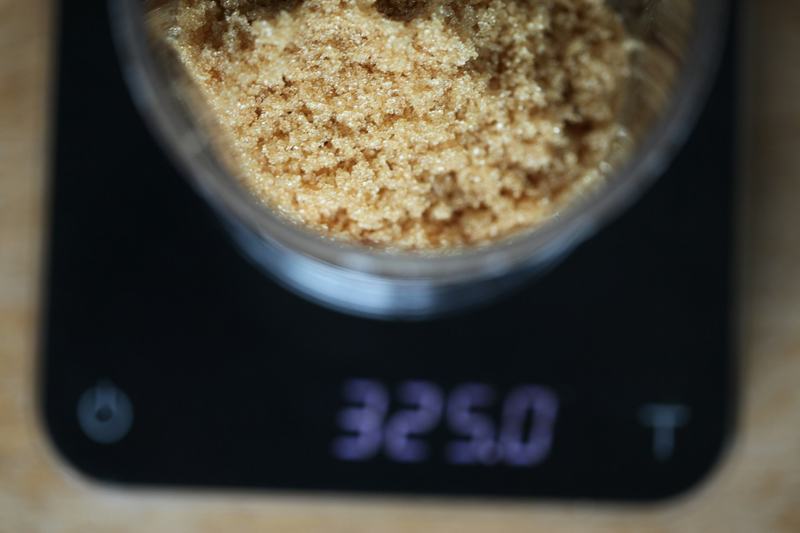
Sourdough recipes are written in grams and percentages. Cups and spoons aren't accurate enough – a "cup" of flour can vary by 20% depending on how it's scooped. You need a scale reading in 1g steps with a tare button. A second, precise scale for salt and small starter feeds is a bonus. Our scales guide goes into detail.
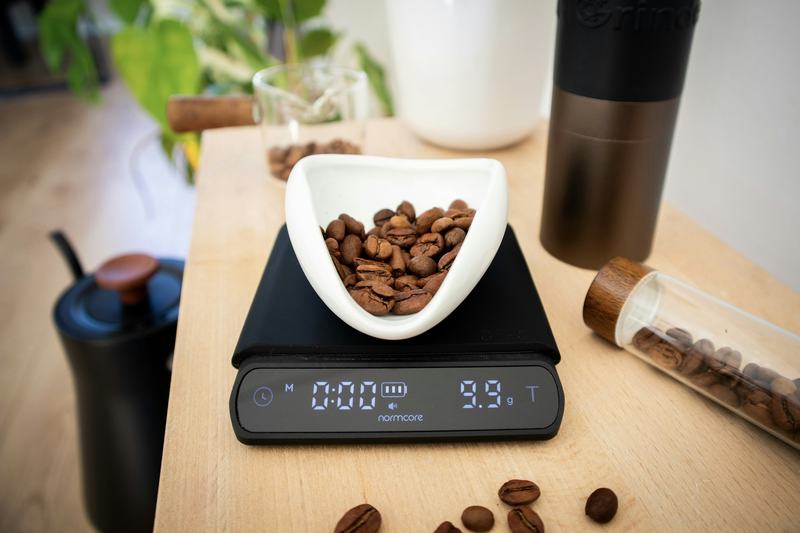
Salter Arc Digital Kitchen Scale, 3kg capacity
- 3kg capacity
- "Add and weigh" tare
- Compact
A simple, widely sold digital scale from a long-established UK brand. 3kg is enough for any single-loaf recipe including the bowl, though a 5kg model gives more headroom for heavy ceramic bowls.
2. A glass jar for your starter
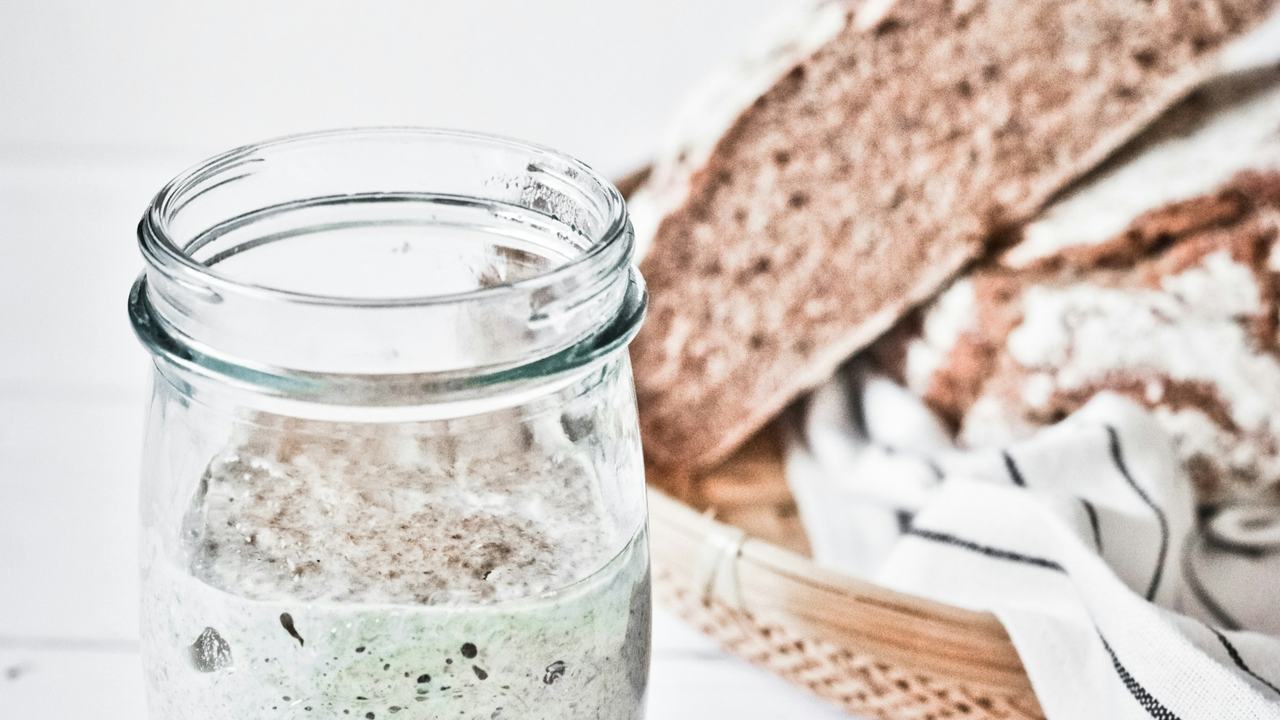
Your starter lives in this jar for years. Look for glass (so you can see the bubbles and the rise), a wide mouth (so you can stir and scrape it easily), roughly 0.75–1 litre capacity and a lid you can rest loosely on top. Straight sides make it easy to mark the level with a rubber band and judge when it has doubled.
Easiest all-in-one
Kilner Sourdough Starter Set (2 glass jars, measuring lid, spatula)
- 2 glass jars
- Measuring lid
- Spatula
- Recipe booklet
Two jars mean you can swap to a clean one every week or so without decanting into a bowl. The included spatula is the right shape for scraping down the jar sides – a small but genuinely useful touch.
WECK 743 wide-mouth jar, 850ml, with glass lid, seal and clamps
- 850ml
- Wide mouth
- Glass lid
- Seal and clamps
The WECK tulip and cylinder jars are a favourite for starters because of their wide openings and glass lids. Leave the rubber seal and clamps off while the starter is active so gas can escape.
3. A large bowl
Any bowl of 3–5 litres will do – glass, ceramic, stainless or plastic. Clear or straight-sided containers make it easier to judge bulk fermentation. If you'd like a bowl you'll keep for life, a classic Mason Cash 29cm bowl holds around 4 litres.
4. Flour
Strong white bread flour for most of the dough, plus a little wholemeal or rye for the starter. Rye in particular gets a sluggish starter moving. See our UK flour guide for specific bags.
5. Something to bake in
A cast iron pot is ideal, but a heavy baking tray plus a tin of boiling water for steam will do to begin with. See our guide to the best Dutch ovens under £50.
Tier 2: genuinely useful
Bench scraper
A flat stainless steel scraper makes shaping, dividing and cleaning the worktop far easier. A flexible plastic bowl scraper gets every scrap of dough out of the bowl.
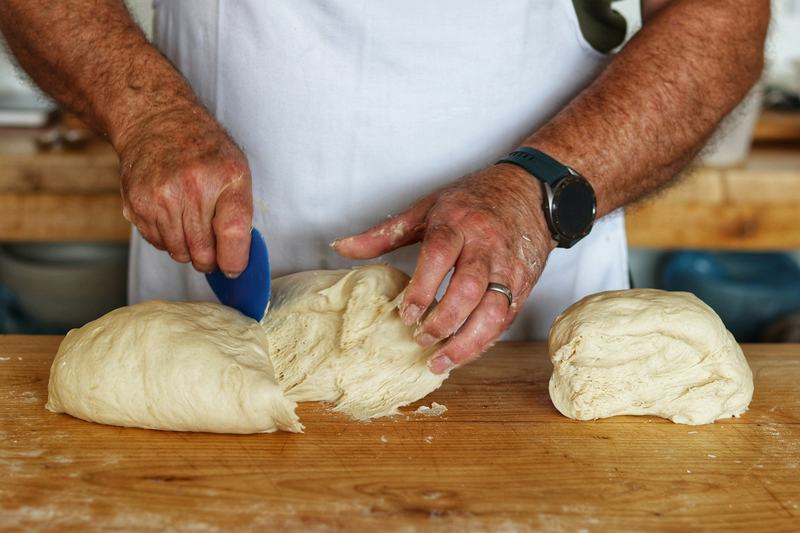
Vicloon Dough Scraper Set – 3 pieces (stainless bench scraper with measuring scale, plastic scrapers)
- Stainless bench scraper with measuring scale
- Flexible plastic scrapers
- 3 pieces
Covers both jobs – a rigid steel scraper for the worktop and flexible plastic ones for the bowl – in one inexpensive set.
Banneton
Supports the dough during the final prove so it holds its shape. For a standard recipe, choose a 23cm round. Full details in our banneton guide.
Lame (scoring blade)
A razor blade on a handle for scoring the top of the loaf, so it expands where you want rather than bursting at the side. Covered in our lame guide.
Danish dough whisk
Not essential, but a dough whisk mixes stiff starter and flour-water mixtures without clogging like a balloon whisk.
ORBLUE Danish Dough Whisk with wooden handle
- Stainless steel coil
- Wooden handle
- About 33cm (13") long
The open coil design cuts through thick mixtures and is easy to rinse. Handy for feeding starters and mixing the initial dough before your hands take over.
Rice flour
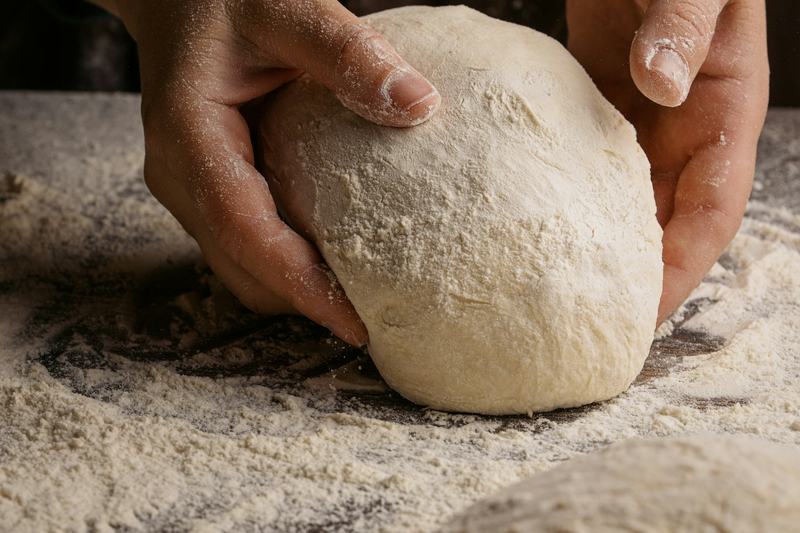
For dusting the banneton. Rice flour doesn't absorb water like wheat flour, so the dough releases cleanly. A 1kg bag lasts for months.
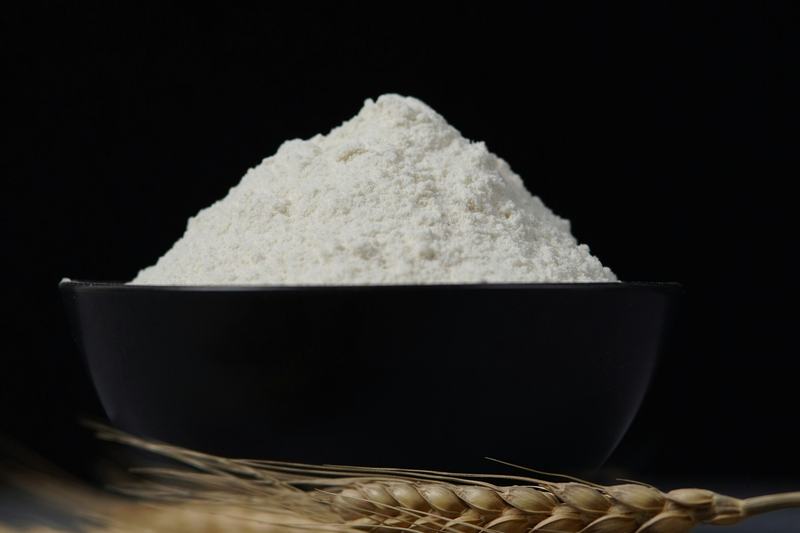
Doves Farm Rice Flour, 1kg
- 1kg bag
- Gluten-free rice flour
- UK miller
Doves Farm is a familiar British brand and this is the simplest way to get rice flour without a trip to a specialist shop.
Thermometer
A probe thermometer tells you your dough and water temperature – and, at the end, whether the loaf is baked through (around 96–98°C in the centre). In a cold UK kitchen, knowing your dough temperature helps you predict how long it will take to prove.
TempPro TP03H instant-read food thermometer
- Instant-read probe
- IPX6 water resistance
- Backlit display
An inexpensive instant-read probe is all you need for dough and water temperature. Rinse the probe rather than submerging the body.
Tier 3: skip for now
- Proving boxes and starter warmers. Brilliant in a cold kitchen, but expensive. Try the free tricks in our cold-kitchen guide first.
- Giant kits. Thirteen-piece sets often bundle a basket, a cloth, three scrapers, a lame, blades, a whisk and a jar – of varying quality. Buy the few items you need individually.
- Bread machines with "sourdough" settings. They don't make a true naturally leavened loaf.
Starting the starter
Whatever you buy, the starter itself costs pennies: equal weights of flour and lukewarm water, fed once or twice a day, kept somewhere around 22–26°C. Expect 7–14 days before it reliably doubles within 4–8 hours of feeding – longer in a cold UK winter. Using some rye or wholemeal flour, and water around 26–28°C, speeds things up.
The bottom line
To start sourdough you need a scale, a jar, a bowl, flour and something to bake in – most of which you may already own. Add a banneton, scraper and lame when you're ready, and a cast iron pot when you want a noticeable leap in crust and rise.