Buying guide
Best banneton for beginners (UK): sizes, materials and what to buy first
How to choose your first sourdough proving basket in the UK – round vs oval, 23cm vs 25cm, rattan vs wood pulp – plus beginner-friendly bannetons on Amazon UK.
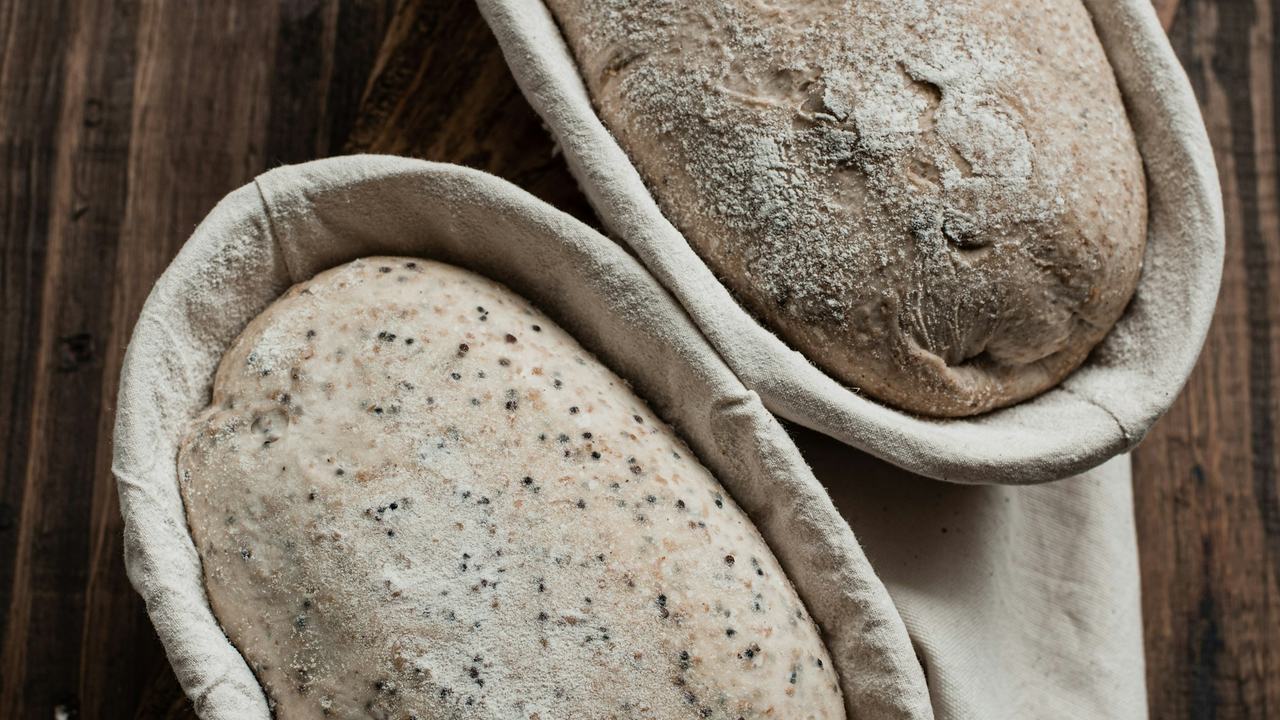
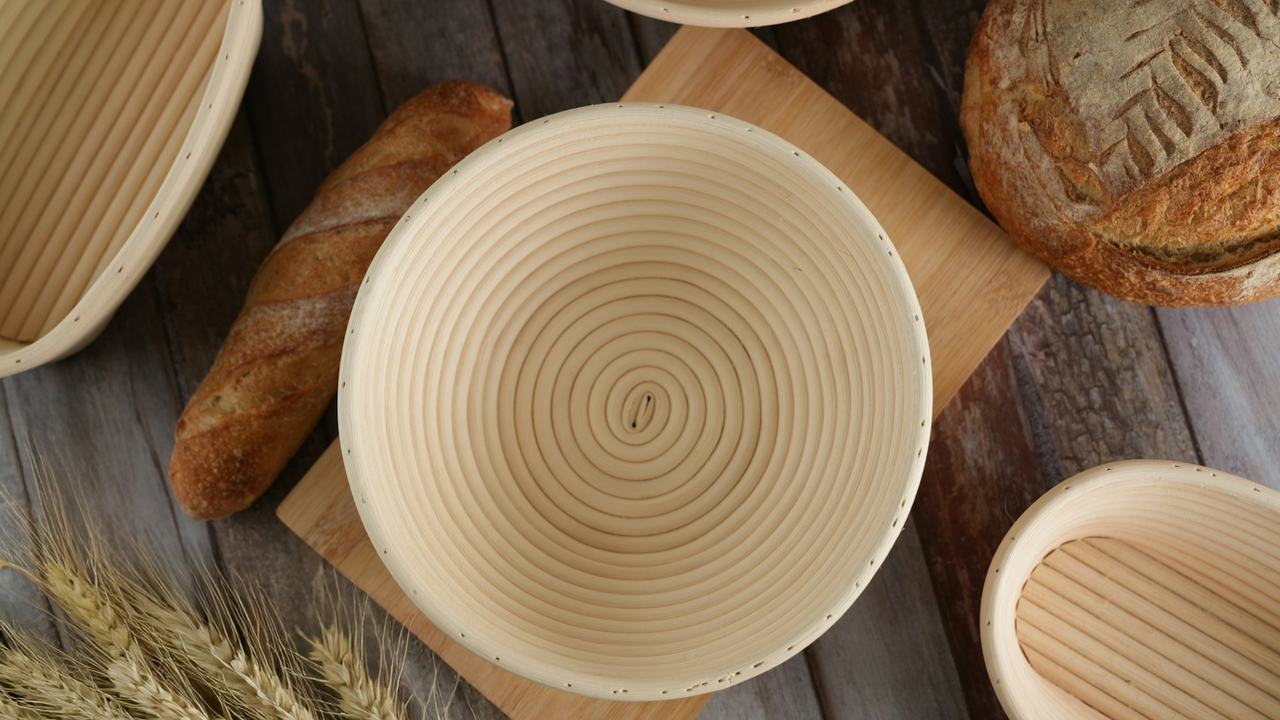
A banneton (or brotform) is the basket your shaped dough sits in for its final prove. It does three jobs: it holds a soft, high-hydration dough upright so it rises up rather than spreading out, it wicks a little moisture from the surface so the skin firms up and scores cleanly, and – if you use it without a liner – it leaves those spiral flour rings on the crust.
You don't strictly need one (a mixing bowl lined with a floured tea towel works), but a banneton is usually the second thing new sourdough bakers buy after a set of scales, and it's one of the cheapest upgrades that visibly improves a loaf. The catch is that listings are confusing: inches and centimetres are mixed, "750g" might mean dough or flour, and dozens of near-identical kits come with extras you may never use.
The short version
- Size: for the standard home recipe (around 500g flour, roughly 850–950g of dough), get a 23cm (9") round or a 25cm (10") oval.
- Shape: match it to your pot. Round suits most round Dutch ovens; oval needs an oval pot or a combo cooker with enough length.
- Material: natural rattan (cane) is the classic choice and the easiest to keep from sticking. Wood-pulp baskets are lighter and very breathable but more fragile when wet.
- Extras: a linen liner is useful; scrapers and lames bundled in kits are a bonus, not a reason to buy.
At a glance
Our shortlist from published specifications – jump to each product for the reasoning. No prices shown: they change daily.
| Product | Best for | Key details | Link |
|---|---|---|---|
| Rattan Round Banneton Proving Basket – 10 inch (25cm) Top pick | Best single round basket | Natural rattan · 25cm / 10" round | View on Amazon Ad |
| Proofing Basket 23cm, Sourdough Banneton with Liner & Scraper | Best size for standard recipes | 23cm / 9" round · Liner included | View on Amazon Ad |
| Sourdough Proving Baskets, 23cm Round & 25cm Oval (pack of 2) | Best two-basket set | 23cm round · 25cm oval | View on Amazon Ad |
| Professional 750g Round Spiral Pattern Proofing Basket (Banneton Brotform) | Sized by dough weight | Round · Rated for 750g dough | View on Amazon Ad |
| Brod & Taylor Banneton Batard 10" Proofing Basket | Branded oval option | Oval / bâtard · 10" (25cm) | View on Amazon Ad |
| Kook Proofing Set – 2 rattan 9-inch bannetons with covers and scrapers | 2 × 23cm | 2 × 9" (23cm) rattan baskets · 2 basket covers | View on Amazon Ad |
How we chose these bannetons
We haven't hands-on tested these baskets. We shortlisted bannetons listed on Amazon UK by checking the published size (in centimetres, not just inches), the material, whether a liner is included, and whether the size matches typical UK home recipes. We prioritised listings that state dimensions clearly, because a basket that's 2cm too small or too big makes a real difference to loaf shape.
Size: the decision that matters most
Banneton sizes are quoted as the top inside diameter (round) or length (oval). Roughly:
| Basket | Typical dough weight | Fits a recipe using about |
|---|---|---|
| 20cm (8") round | 500–700g | 300–400g flour |
| 23cm (9") round | 750–1,000g | 450–550g flour |
| 25cm (10") round | 1,000–1,250g | 550–700g flour |
| 25cm (10") oval | 750–1,000g | 450–550g flour |
| 30cm+ oval | 1,000g+ | 600g+ flour |
These are rules of thumb, and depth matters too, but the pattern is simple: most beginner recipes – including the classic "500g flour, 350–375g water" formulas – produce around 900g of dough, which sits nicely in a 23cm round or 25cm oval.
Too small and the dough domes over the rim and sticks to the cloth or your cling film. Too big and the dough spreads into a flatter, wider shape, which partly defeats the point. If you plan to bake bigger loaves later, a 25cm round is a forgiving middle ground; if you want neat, tall loaves from standard recipes, choose 23cm.
Round or oval?
- Round (boule) is the easiest to shape and fits almost every round Dutch oven or casserole dish of 24cm or more.
- Oval (bâtard) gives longer slices that are better for sandwiches and toast, but an oval loaf needs a pot that is long enough. A 25cm oval loaf will usually squeeze into a 26cm round pot; it won't fit a 22cm one.
If you're unsure, start round. Many bakers end up with one of each, which is why two-basket sets are so common.
Rattan, wood pulp or plastic?
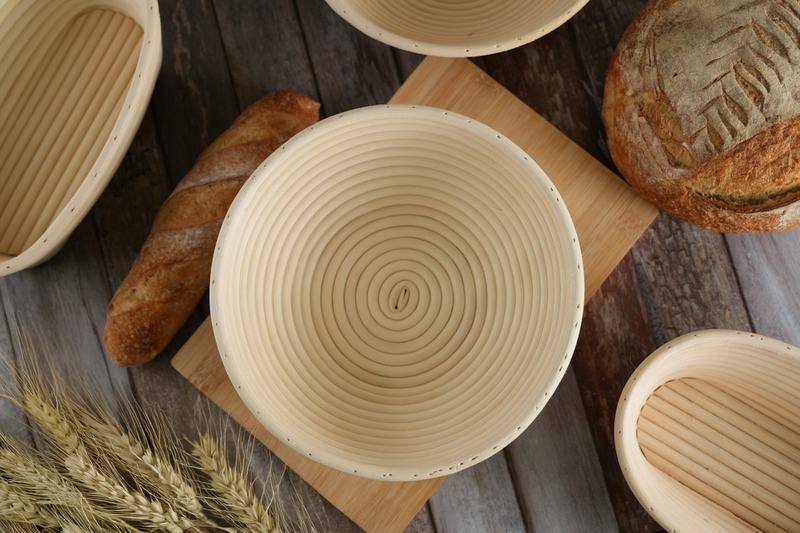
Natural rattan (cane) is the traditional material. The coil leaves the familiar spiral pattern, it's rigid, and it releases dough reliably once it has built up a light coat of flour. It needs drying thoroughly after use to avoid mould.
Wood pulp (sometimes called "eco" or "spruce") baskets are moulded from compressed fibre. They're light, absorb moisture well and often release very cleanly, but they don't like getting wet: you clean them by brushing, never washing.
Plastic and silicone baskets are washable and hygienic, but they don't wick moisture, so the dough surface stays wetter. Fine for convenience; not our pick for a first banneton.
Liner or no liner?
Most baskets come with a fitted linen or cotton liner. With the liner in, you lose the spiral pattern but sticking is much less likely – a sensible choice for wet doughs and for your first few weeks. Without the liner, dust generously with rice flour (it doesn't absorb water the way wheat flour does, so it doesn't turn into glue). See our flour guide for more on that.
Beginner-friendly bannetons on Amazon UK
Best single round basket
Rattan Round Banneton Proving Basket – 10 inch (25cm)
- Natural rattan
- 25cm / 10" round
- Cloth liner included
A straightforward natural rattan round with a cloth liner – exactly what most beginners need. At 25cm it's a touch larger than the "ideal" for a 500g-flour recipe, which gives you room to scale up later; your loaves will just be a little wider.
Best size for standard recipes
Proofing Basket 23cm, Sourdough Banneton with Liner & Scraper
- 23cm / 9" round
- Liner included
- Dough scraper included
The 23cm diameter is our preferred match for the classic 500g-flour loaf, and the bundled scraper is genuinely useful for shaping. If you want a taller boule from a standard recipe, this is the size to look for.
Best two-basket set
Sourdough Proving Baskets, 23cm Round & 25cm Oval (pack of 2)
- 23cm round
- 25cm oval
- Pack of 2
A sensible pairing: a 23cm round and a 25cm oval are the two most useful home sizes, so you can bake two loaves at once (proving one in the fridge while the other bakes) or try both shapes before committing.
Sized by dough weight
Professional 750g Round Spiral Pattern Proofing Basket (Banneton Brotform)
- Round
- Rated for 750g dough
- Spiral pattern
This listing sizes the basket by dough weight, which is the more useful measure. A 750g basket suits slightly smaller loaves – around 400–450g of flour – so pick it if you like a tall, compact boule or bake for one or two people.
Branded oval option
Brod & Taylor Banneton Batard 10" Proofing Basket
- Oval / bâtard
- 10" (25cm)
- From a specialist bread-equipment brand
Brod & Taylor is best known for its folding proofer. If you'd rather buy an oval basket from a specialist bread-equipment brand than an unbranded import, this is the option to look at. Check the listing for liner details and current availability.
Kook Proofing Set – 2 rattan 9-inch bannetons with covers and scrapers
- 2 × 9" (23cm) rattan baskets
- 2 basket covers
- Metal and plastic scrapers
Two identical 23cm rounds make sense if you routinely bake two standard loaves – for the freezer or for friends. The fitted covers help stop the dough drying out during a long fridge prove.
Caring for a banneton
- Season it before first use: mist lightly with water, dust heavily with flour, tap out the excess and let it dry. This builds the non-stick layer.
- Never wash rattan or pulp baskets unless absolutely necessary. Let them dry, then brush or knock out the flour. Wash the linen liner instead.
- Dry it fully after every bake – near (not on) a radiator or in a warm oven that has been switched off. Damp flour in a cold UK kitchen is how mould starts.
- If mould does appear, a long dry in a low oven (around 100°C, watched carefully – rattan is flammable) followed by a stiff brush usually sorts it.
Common beginner mistakes
- Under-flouring. Use more rice flour than you think, especially in the first month.
- Buying for the photo. A huge 13-piece set looks generous, but you need one basket, one liner and a scraper.
- Mismatching basket and pot. Measure the inside of your pot before buying an oval.
- Proving in a cold kitchen for too long without a plan. In a 16–18°C British kitchen, final proves at room temperature can take far longer than recipe timings suggest. Our cold-kitchen proving guide explains how to work with that, rather than against it.
The bottom line
For a first banneton, buy a 23cm round natural rattan basket with a liner – or a round-plus-oval pair if you want flexibility. Everything else is preference. Then put the money you saved towards a decent Dutch oven and a 0.1g-capable scale, which do more for your bread than any basket.